Sweets make every celebration brighter. Any special occasion, it may be a wedding, or it may be a festival or it may be a celebration, etc, sweets take main place. When coming to North India their sweets are not just food, they are memories, shared moments, and small bites of tradition. Each side of North India brings its own unique flavor and taste to the table and it makes every sweet dish special in its own way.
The Sweet Story Behind North Indian Sweets
When we talk about North Indian sweets, we step into a world where milk, sugar, and ghee these ingredients are rule the kitchen. These sweets are deeply rooted in culture, festivals, and family gatherings. In every home, you will find that the recipes has passed from generation to generation that makes the sweets more special. They are traditional Indian desserts with stories, love, and heritage mixed in every bite.
Most homemade mithai(the word mithai derived from the hindi word “mithas” which means sweetness) is made with ingredients easily found in every Indian household with — milk, khoya, flour, and nuts. Yet somehow, every region makes them taste different. That’s the magic of North India’s culinary diversity.
Traditional Indian Desserts from North India
Gulab Jamun – A Classic Traditional Indian Dessert Loved Nationwide
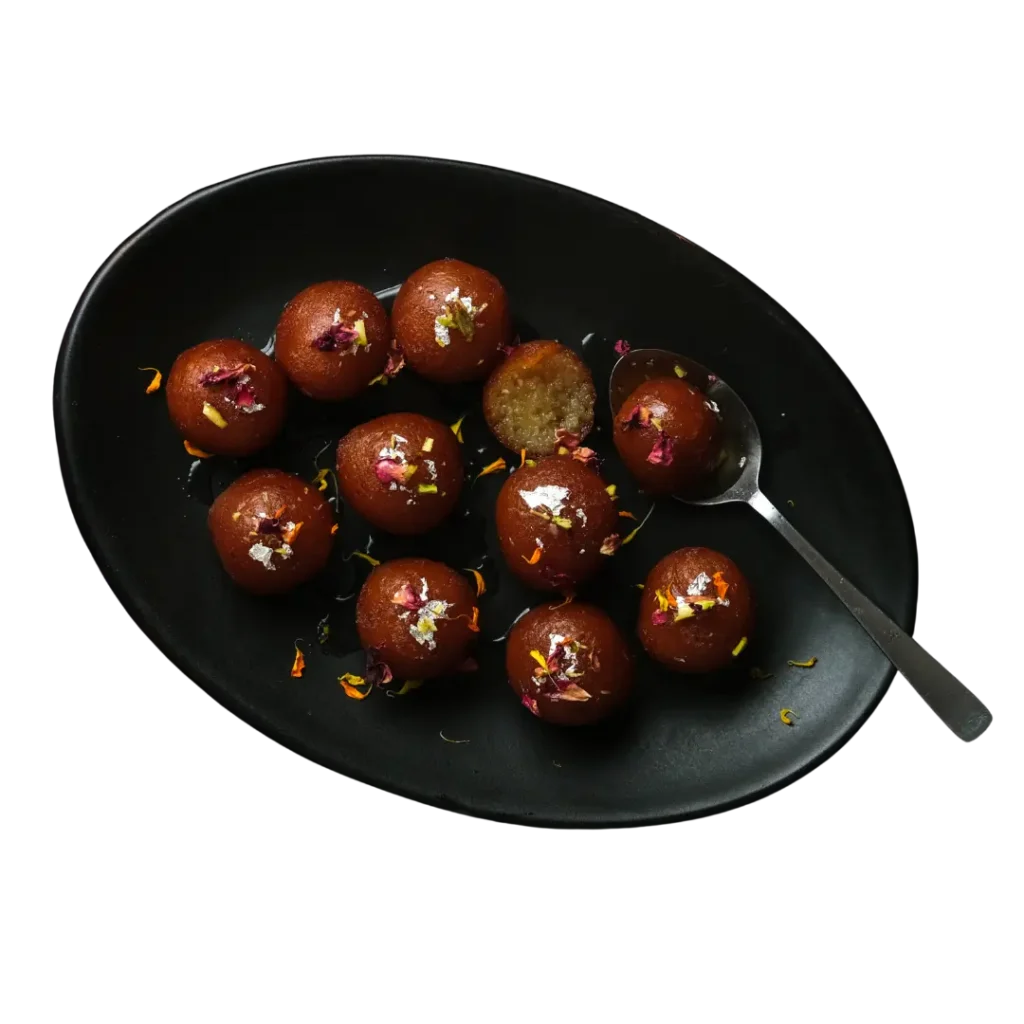
One sweet that never goes out of fashion is Gulab Jamun. These soft, deep-fried balls soaked in sugar syrup have their own fan following. Gulab Jamun made from khoya and flavored with cardamom or rose water, this is an all-time favorite.Today readymade gulab jamun mixes are available in packs. Every celebration from Diwali to small family dinners or sugar any graving that usually ends with th with someone saying, “Let’s have one more Gulab Jamun!”
Sweet tips for Home Chefs:
To make the best gulab jamun, add freshly ground cardamom. It lifts the aroma and gives that authentic North Indian touch.
Jalebi – Sweet, Crispy, and Truly a Traditional Indian Dessert
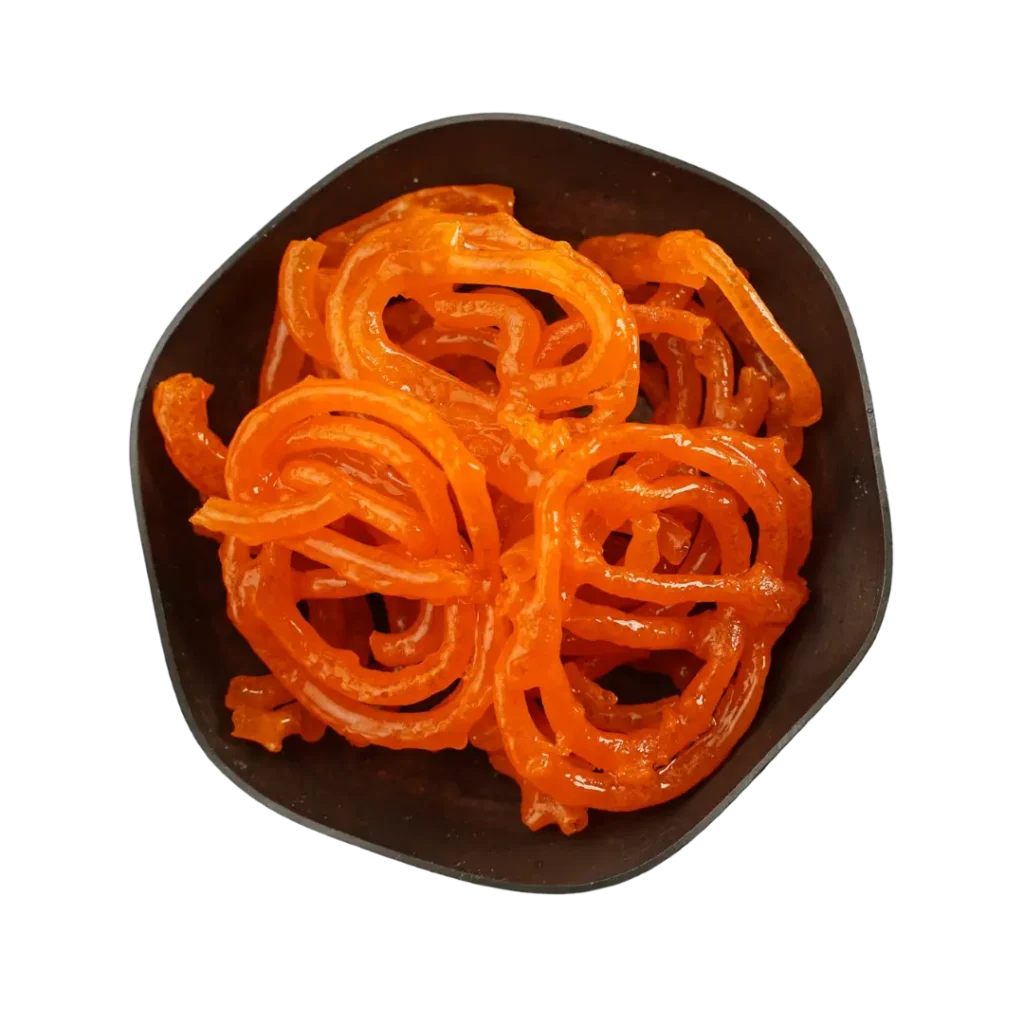
Jalebi is a spiral form of sweet. The bright orange or yellow colored sweet, which is the outer layer is crispy and inside the jalebi is soft when it is soaked in the sugar syrup. It is one of those traditional Indian dessert, it is served with hot with milk or curd on winter mornings. When you put the batter in the hot oil the sizzling sound makes everyone crave a piece.
Sweet tips for Home Chefs:
It is the north indian combination, soak the Jalebi with rabri when you make Jalebi at your home for toppings, and try it with icecream, this also a good combo.
Kaju Katli – A Royal Delight of Traditional Indian Dessert:
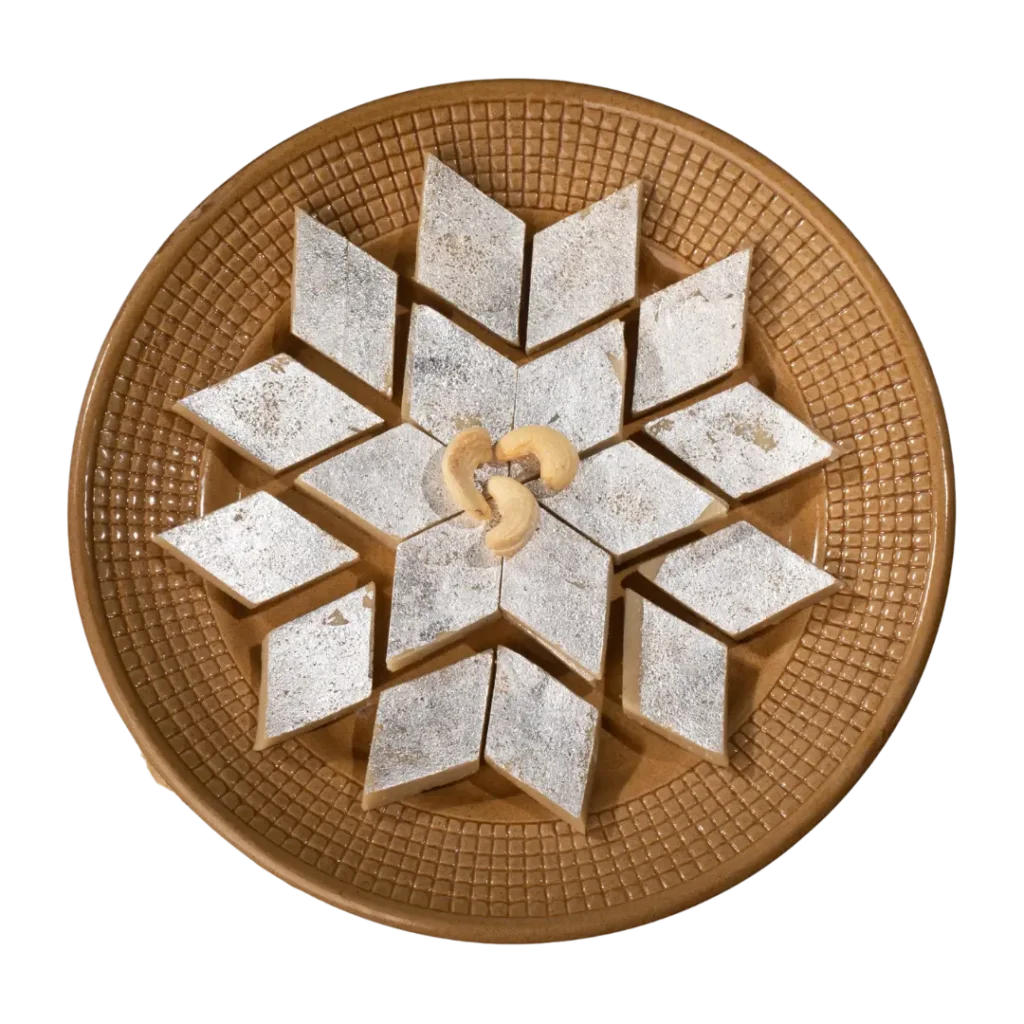
If sweets could wear crowns, Kaju Katli would be the king. Kaju katli is made up of lot of cashew nuts, sugar, and a rich ghee, this sweet presents the elegance of the traditional indian dessert. Usually kaju katli is wrapped in silver leaf which is proudly shinning in sweet shops especially in Diwali. Its smooth texture melts instantly, leaving behind the delicate flavor of roasted cashews.
Sweet tips for Home Chefs:
For silky-soft homemade mithai, make sure the cashew paste is fine and even. That is the secret behind the perfect Kaju Katli.
Rasgulla – The Soft and Spongy Traditional Indian Dessert
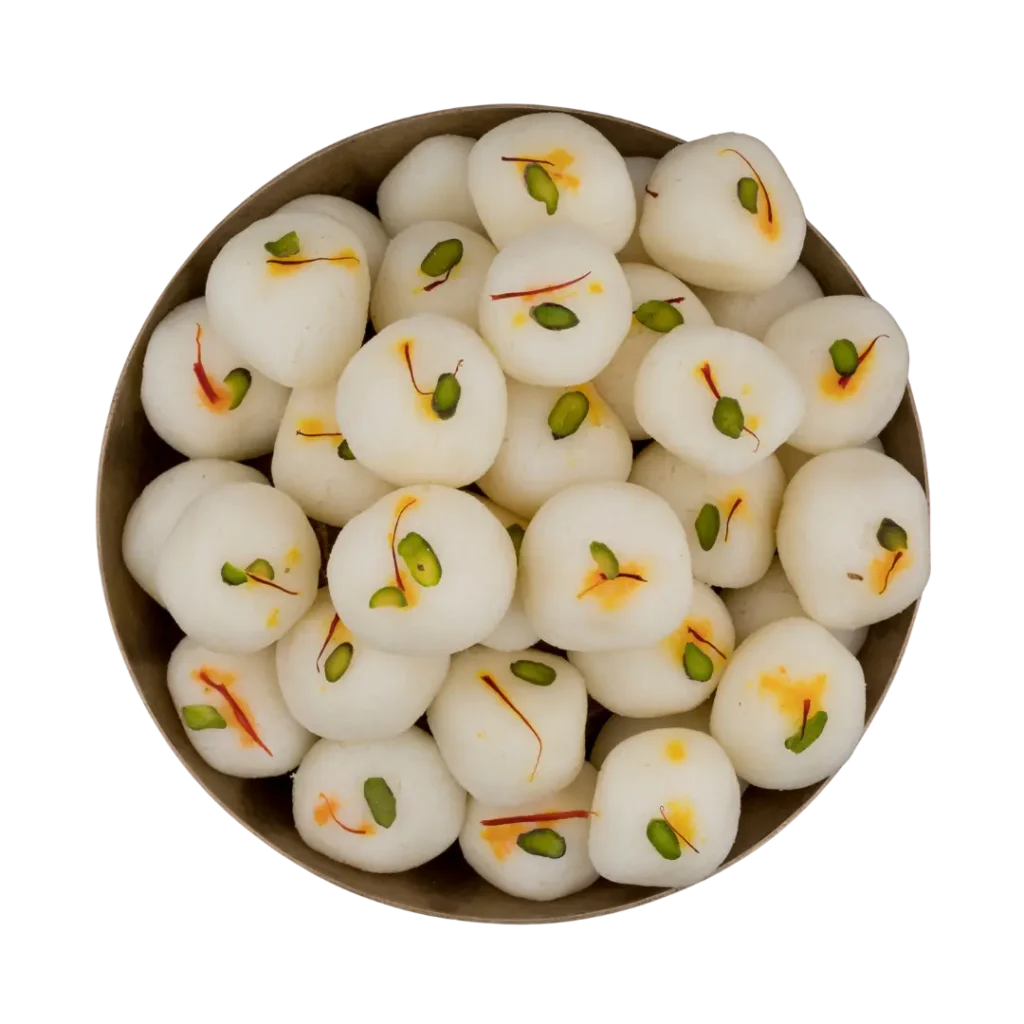
Rasgulla is a Bengali sweet, made up of chhena which is cottage cheese or fresh paneer balls soaked in a sugar syrup. This traditional Indian dessert is become everyone favourite across India and this sweet is loved by everyone from children to elders. Each bite of Rasgulla is soft, juicy, and filled with sweet syrup.
Sweet tips for Home Chefs:
When you make Rasgulla at your home, use soft and fresh paneer. It keeps the texture spongy and light. Also leave some time for soaking to get that syrupy punch when you bite.
Gajar Ka Halwa – A Winter Favourite Among Traditional Indian Desserts
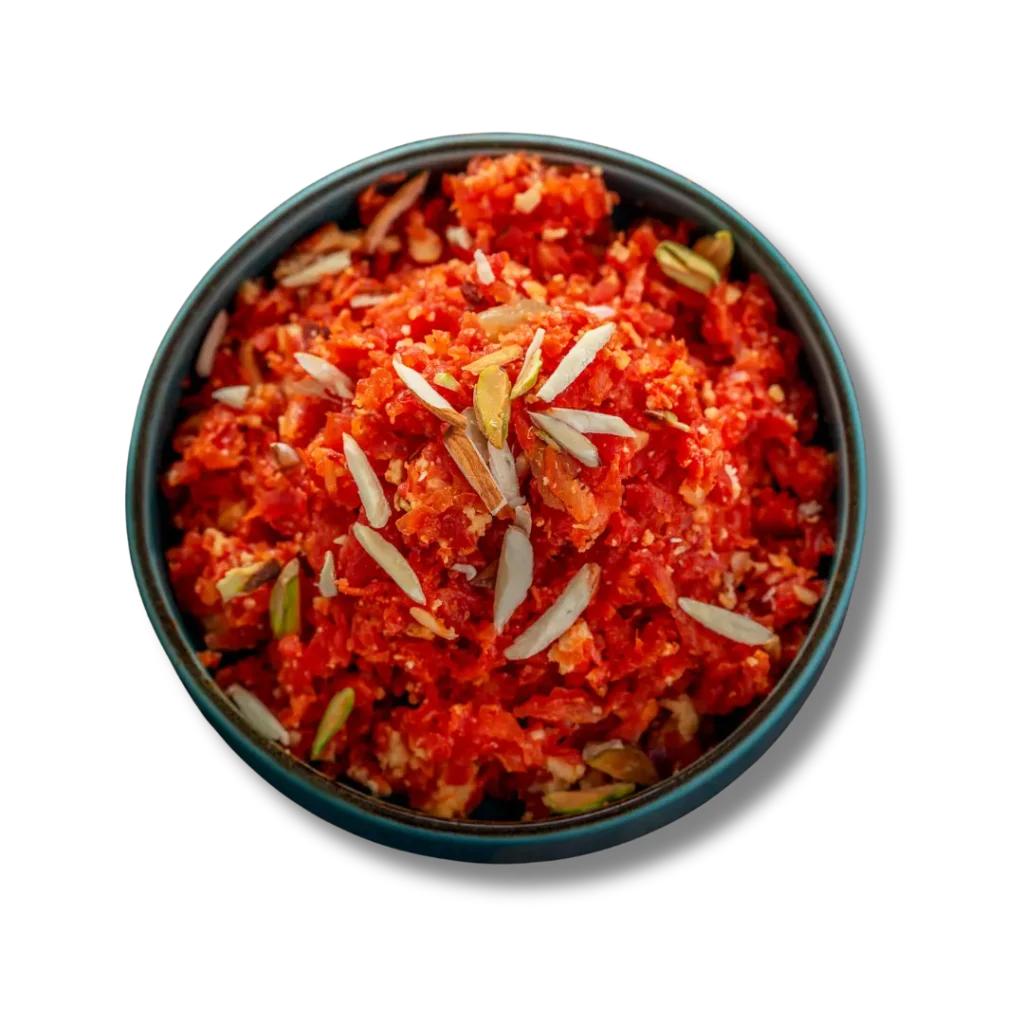
When winter comes, every North Indian houses are filled with the aroma of Gajar Ka Halwa (carrot halwa). Grated carrots are boiled in milk, ghee, and sugar these ingredients turns together into a magic dish. This traditional Indian dessert feels cozy, warm, and comforting, especially when served with nuts.
Sweet tips for Home Chefs:
For the most authentic halwa, always use red carrots. They’re naturally sweeter and give that perfect color and sweetness to the halwa.
Ladoo – The Everyday Traditional Indian Dessert of North India
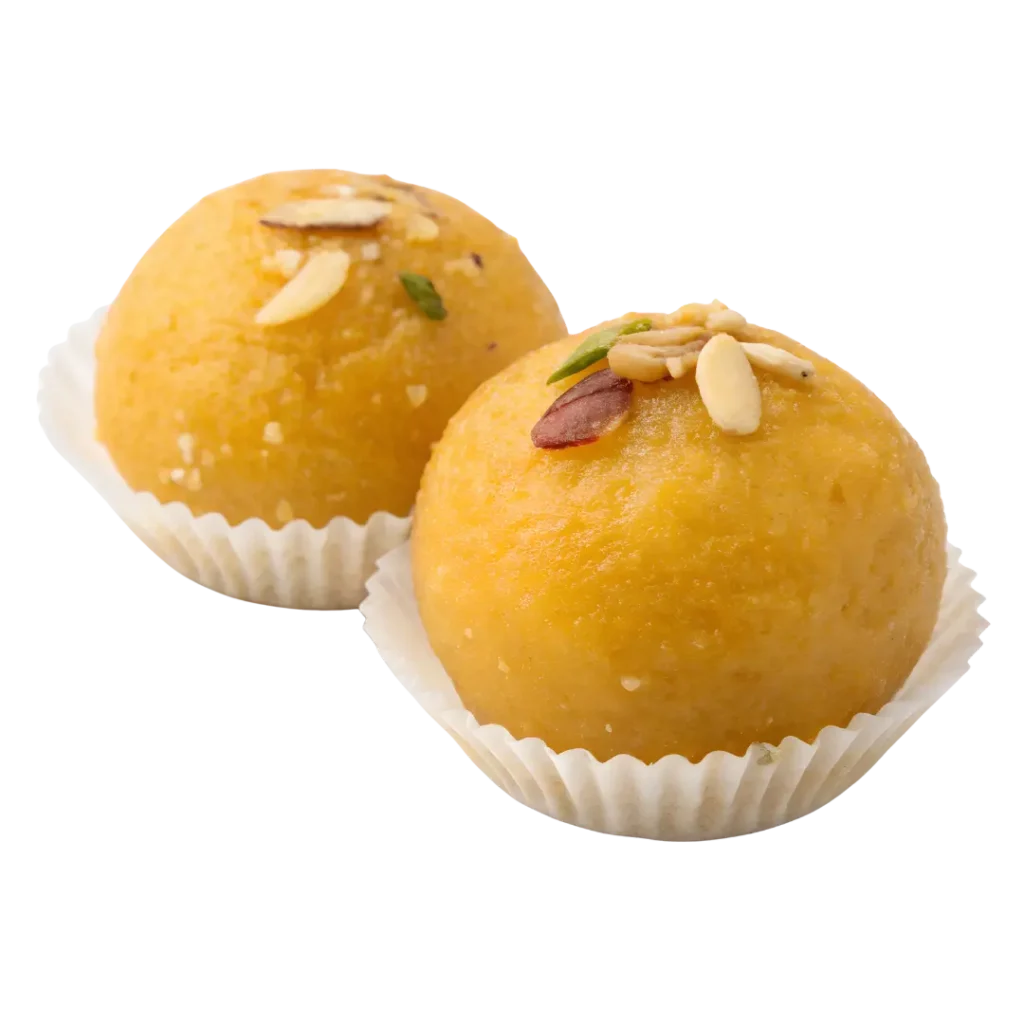
There are different types of laddo that they are besan ladoo, boondi ladoo, motichoor ladoo, coconut ladoo, and more. Every household has its own favorite. These traditional Indian desserts symbolize happiness and are often made during festivals and pujas. Their soft texture and nutty aroma instantly make you feel at home.
Sweet tips for Home Chefs:
A small trick for delicious homemade mithai like ladoo is to roast the flour slowly until golden. It brings out a deep, earthy flavor.
North Indian Sweets and Their Cultural Importance
Indian desserts are more than a dessert, they are emotion. Whether it may be a spoonful of halwa at a wedding or one plate jalebi in Sunday morning or rich sweets like milk peda or kaju katli in festivals, each bite of north indian sweets reminds people of sweet memories or shops and love from generations past.
Even in today’s modern kitchens, Indian home chefs still prefer to make homemade sweets during festivals. It is a way of keeping tradition alive, of feeling that same warmth our grandparents felt when they cooked for their families.
North Indian Sweets and Their Cultural Importance
- In many North Indian families, the first sweet made after a baby’s birth is kheer is a creamy dessert made from milk and rice, flavored with nuts and spices(cardamom, saffron, etc). - it is a symbol of new beginnings and happiness.
- Ladoo is one of the oldest sweets in India; it was even mentioned in ancient Ayurvedic texts as a healthy snack made with ghee and jaggery.
- The popular jalebi actually has roots that trace back to ancient Persia, but North Indians gave it their own twist with extra syrup and crunch.
- In North India, serving sweets before starting something new — like a business deal or exam — is considered a way to invite success.
- During weddings, sweets like barfi and motichoor ladoo are not just desserts; they’re gifted as blessings for a sweet married life.

The Sweet Essence of North Indian Sweets
Every North Indian sweet tells a different story — of tradition, family, and festivals. Whether it is the creamy bite of Kaju Katli or the warm spoonful of Gajar Ka Halwa (carrot halwa), these traditional Indian desserts remind us the sweetest moments of our life
So, the next time you enjoy a bite of your favorite homemade mithai, take a second to savor the history and love that went into it. That’s the real taste of North India.